AGP Executive Report
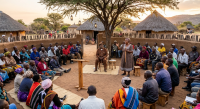
Last update: 8 hours agoKalahari Land Rights: Botswana has honored 97-year-old Roy Sesana with a University of Botswana honorary doctorate for decades of advocacy for San land rights and cultural identity. The recognition renews attention to communities’ rights in the Central Kalahari Game Reserve. Drought and Livelihoods: Research covering Botswana and six neighboring countries warns that hotter, drier seasons and more concentrated rainfall could disrupt livestock keeping and deepen inequality. Farmers are already facing tough decisions about their herds as drought risks rise. El Niño Preparedness: SADC countries are preparing for expected El Niño-related weather extremes later this year and early next year, including drier conditions in central and southern parts of the region. National contingency plans are being developed, with regional ministers due to meet in Gaborone on November 11–12.
Note: AI summary from news headlines; neutral sources weighted more to help reduce bias in the result. Feedback is welcome. Please let us know if you have any comments or suggestions about the AGP Executive Report.


 Perspectify News